
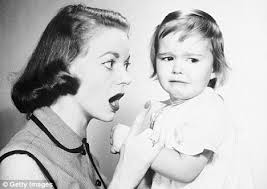
 Emotional, sexual and physical abuse, along with neglect, can scar a child. Unfortunately, many times these childhood scars lead to a variety of negative adult behaviors. Every child deserves to have a care-free childhood that produces happy, homey, safe and loving memories. But, when a child is severely mistreated, it often leads to psychological and mental disturbances. When a person is taught, early in life, that he or she is worthless, stupid, incompetent, mischievous, unwanted and unloved, “bad” and/or evil, he or she grows up to believe those descriptions are true. A “bad” childhood can be especially detrimental on adult romantic relationships. If you would like to learn more about the effects of a “bad” childhood on adult romantic relationships – you have come to the right place. This article will teach you how a “bad” childhood can damage or destroy a healthy adult relationship.
Listed below are the effects of a “bad” childhood on adult romantic relationships:
•Fear of Abandonment
It is common for adults who were abused, abandoned or neglected, during childhood, to develop real or irrational fears of abandonment. In other words, these negative and/or traumatic experiences follow the child well into adulthood – affecting every aspect of his or her life (i.e. romantic relationships, friendships, family dynamics, work relationships, self-esteem, academic and career success, etc.).
This fear also causes the adult to have a hard time trusting others and accepting them into his or her life on a permanent basis (i.e. a long-term relationship or marriage). In fact, many times child abuse/neglect/abandonment survivors often find it challenging to commit to one person for fear that the person they love most will eventually leave them. For example, a female child sexual abuse survivor, who was molested by an older male friend, may distrust males around her own children for fear that they too will be molested by a male friend.
•Clingingness, Neediness and Low Self-Esteem
Another common effect of a “bad” childhood on adult romantic relationships is clingingness, neediness and low self-esteem. An adult abuse/neglect/abandonment survivor, who never really felt loved by anyone, may seek out that “missing love” by attaching himself or herself to a romantic partner. The survivor exhibits these, at times, negative behaviors, as a way to gain assurance, love and support from loved ones.
It is important to note that many times the survivor does not realize that he or she is placing a large amount of pressure on his or her partner/spouse to “fix” him or her (i.e. alleviate anxiety, cure depression, reduce stress, etc.). In this situation the adult relationship is not equal; rather it is unequal or imbalanced. The “healthy” partner may end up feeling like he or she is a “parent,” not an adult romantic mate, to the needy partner.
•Violent & Aggressive Behaviors
Another unfortunate effect of a “bad” childhood on an adult romantic relationship is violent and/or aggressive behaviors. A child, who participates in or witnesses domestic violence on a regular basis, can grow up to be violent and/or aggressive in his or her own romantic relationships. This is especially true if the child never receives counseling for his or her traumatic experiences. In fact, an unhappy childhood can lead to dysfunctional, violent and/or abusive adult romantic relationships.
In addition, if the child was beaten, criticized, molested and/or neglected on a regular basis, he or she may think that those maladaptive behaviors are actually normal. For example, an adult male, who was beat with belts and boards during childhood if he did not clean his room fast enough, may grow up to beat his girlfriend or spouse with belts and boards if she does not clean the house fast enough.
•Inability to Trust
Lastly, an unfortunate effect of a “bad” childhood on adult romantic relationships is the inability to trust. An abusive childhood can cause an adult to feel insecure and unsafe in romantic relationships. This individual may constantly question his or her partner/spouse, even when there is no reason to be suspicious. The constant suspicion can drive a loved one away, but the survivor does not understand how his or her behaviors are unhealthy and damaging to a romantic relationship.
As a result of the “bad” childhood, the survivor “nitpicks” the relationship until his or her fears come true. In a sense the survivor unconsciously damages or destroy a perfectly healthy relationship for fear that his or her partner “will eventually” do something “bad.” For example, a woman, who witnessed her father leaving when she was young, may find it hard to believe that a man will stay with her for the “long haul.”
Staff Writer:
Dr. R. Y. Langham
References:
Parkinson, P. (2011). Shared parenting: The new frontier. The Child Advocate. Retrieved from http://www.childadvocate.net/divorce_effects_on_children.htm
Smith, M. & Segal, J. (2014). Child abuse and neglect. Helpguide.org. Retrieved from http://www.helpguide.org/mental/child_abuse_physical_emotional_sexual_neglect.htm
